Centro Storico
The historic heart of the Eternal City. Where every cobblestone tells a story.
🏛️ Most Attractions💑 Romantic📸 Photogenic
The historic heart of the Eternal City. Where every cobblestone tells a story.
Heart of Rome, bounded by Tiber River and Via del Corso
100% walkable. No car needed. Metro at edges.
€€€-€€€€ for hotels, €€ for local trattorias
Centro Storico is where Rome's 2,500+ years of history come alive on every street corner. This is the Rome of postcards - baroque fountains, Renaissance palaces, ancient temples, and piazzas that have witnessed emperors and popes.
Walking through Centro Storico is like wandering through an open-air museum. Turn a corner and you'll find the Pantheon - a 2,000-year-old temple with the world's largest unreinforced concrete dome. Take another turn and you're at Piazza Navona, built on the ruins of Domitian's ancient stadium.
Yes, it's touristy. Yes, it's expensive. But there's a reason millions come here every year - no other place on Earth concentrates this much history, art, and beauty in such a walkable area.
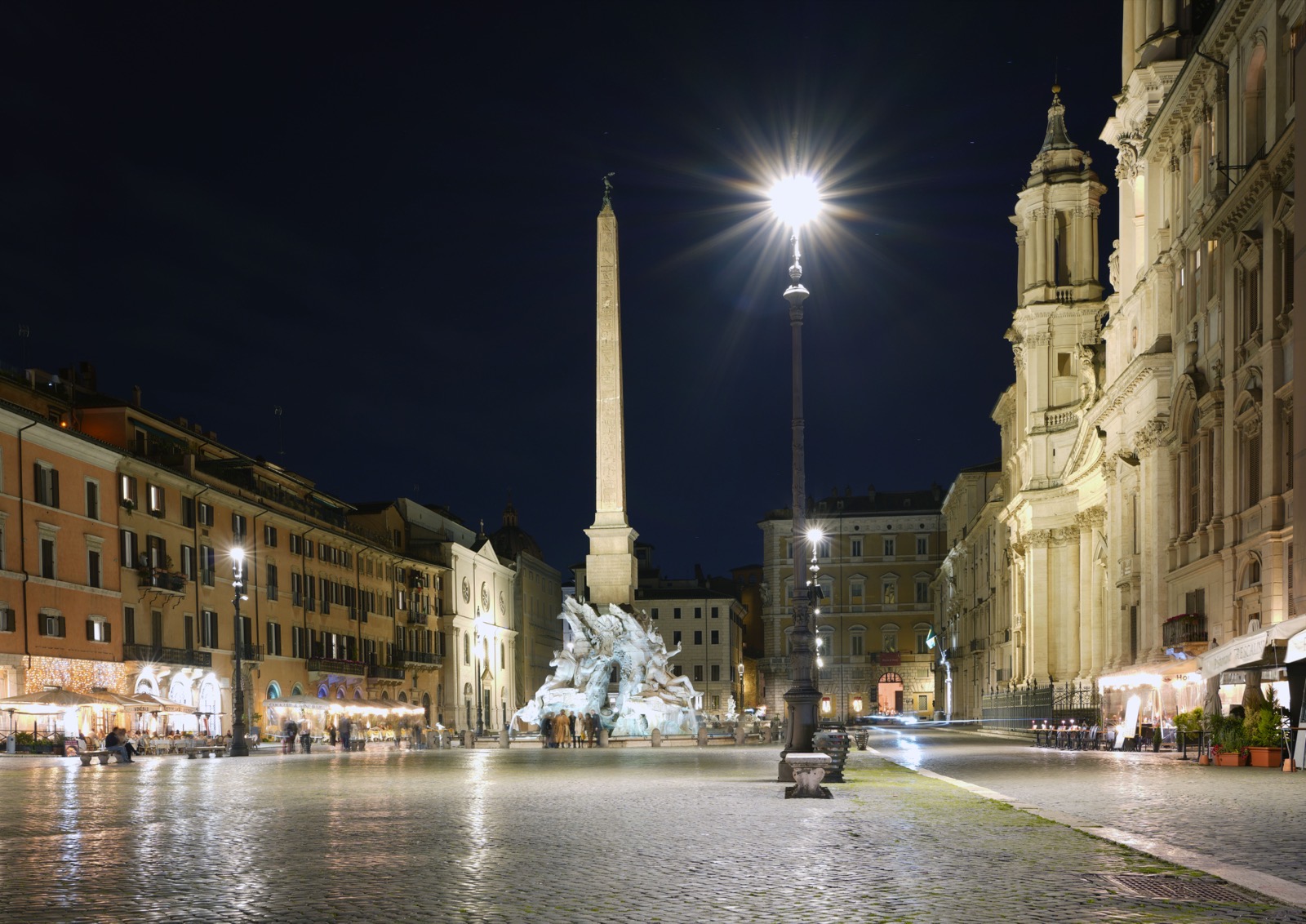
Rome's most beautiful baroque square with three fountains and street artists.
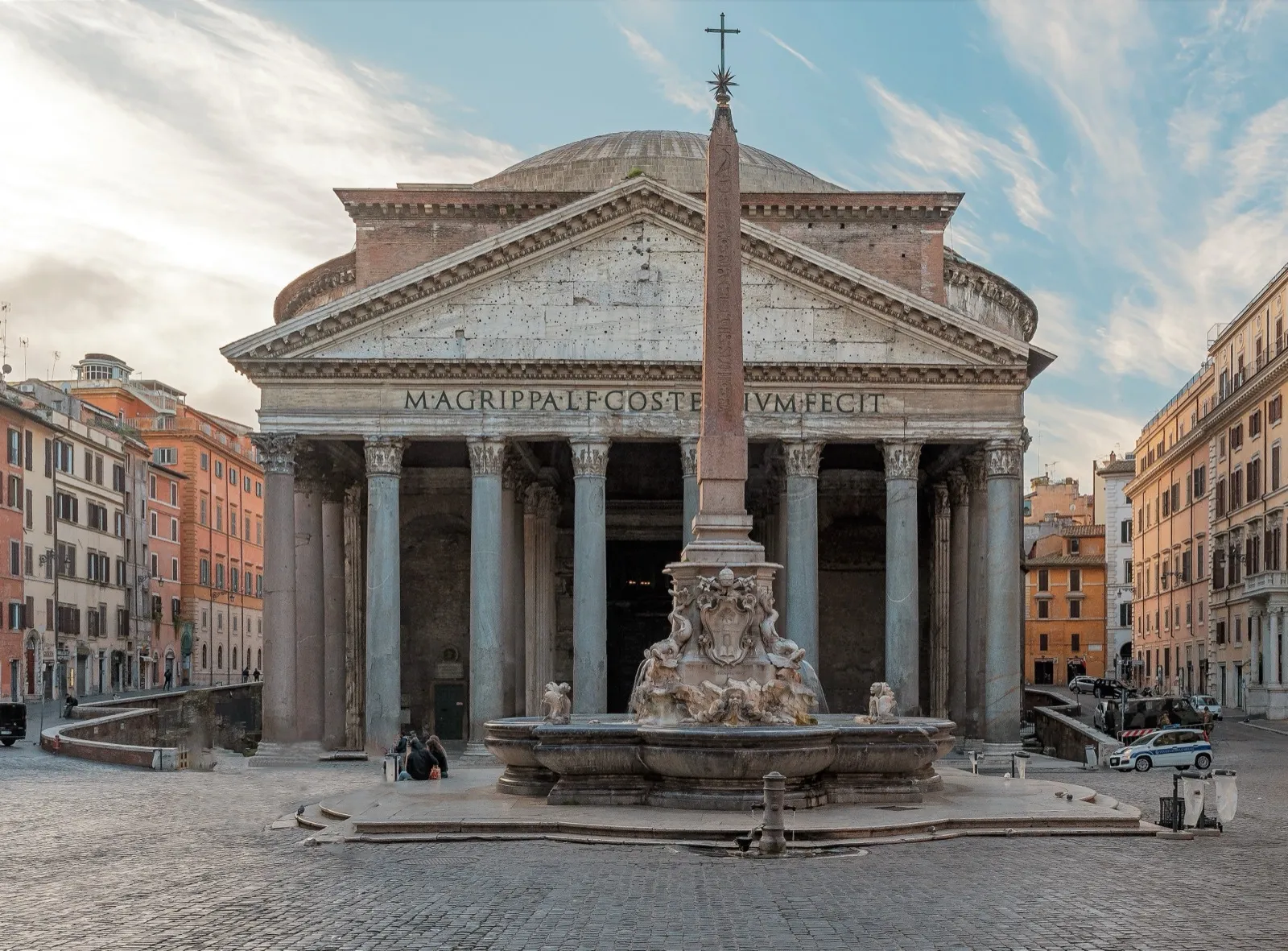
Best-preserved ancient Roman building. Free entry. The oculus is magical in rain.
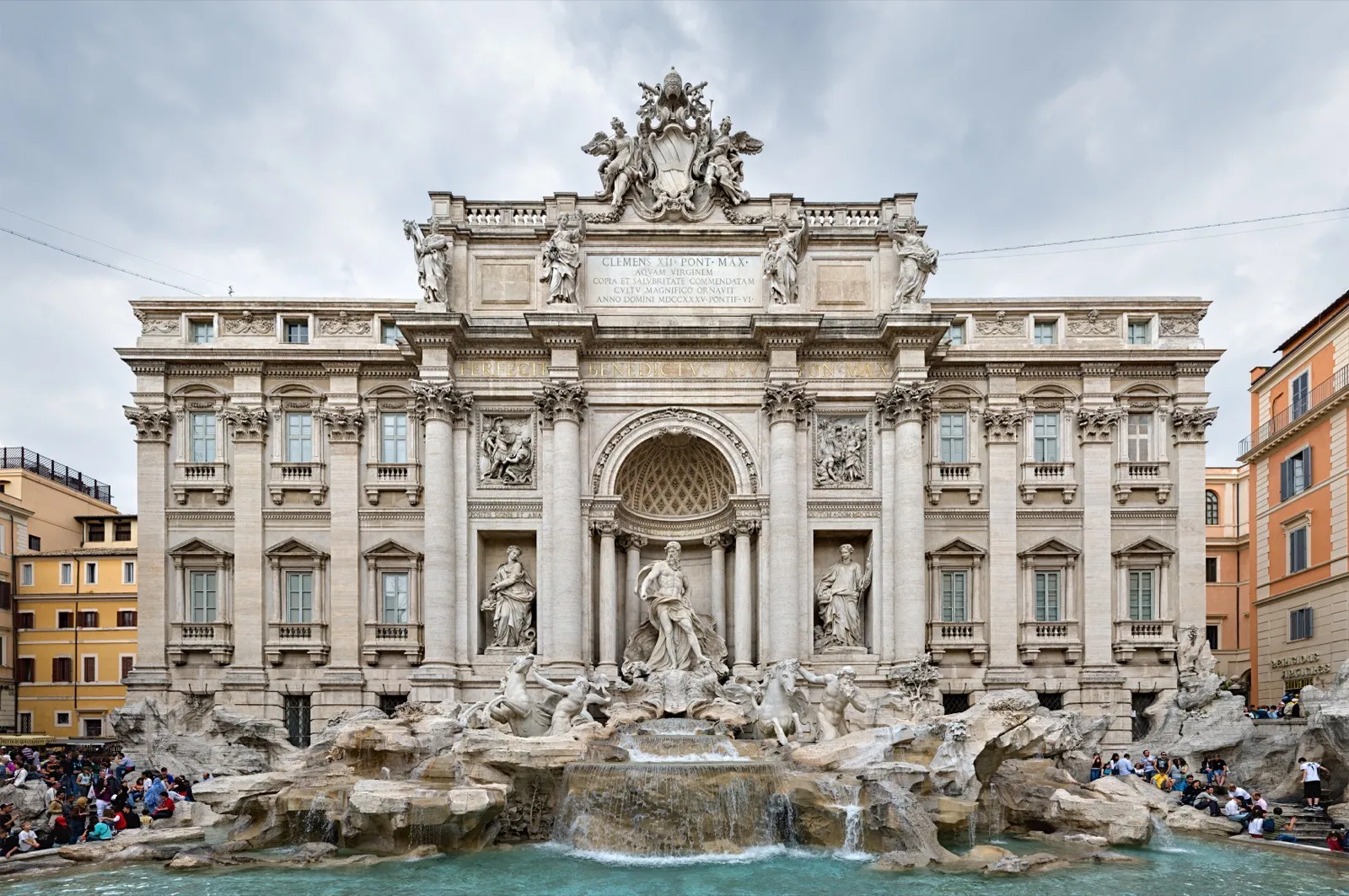
The iconic baroque fountain. Toss a coin to ensure your return to Rome.
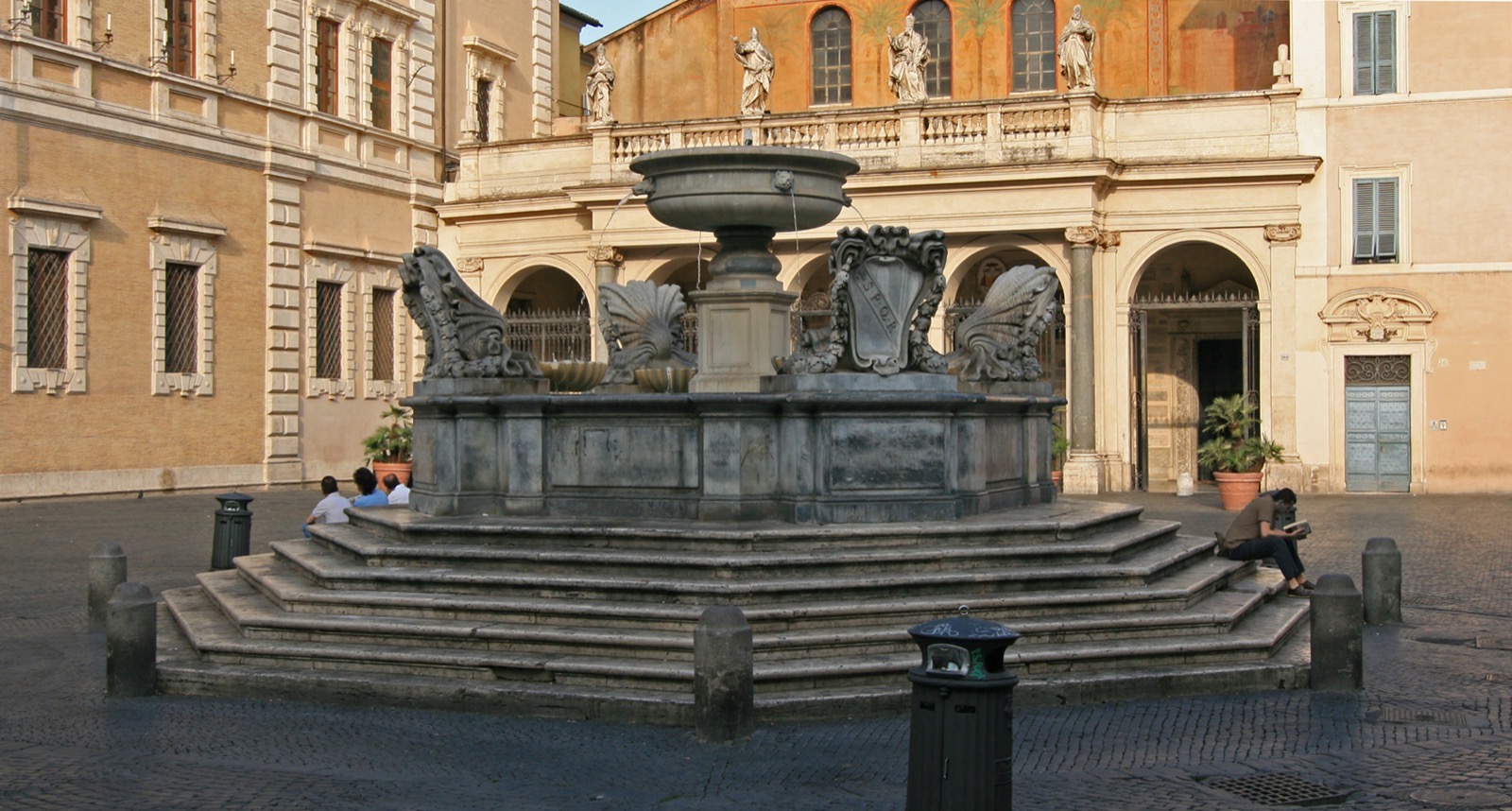
Morning market, afternoon café culture, evening aperitivo scene.
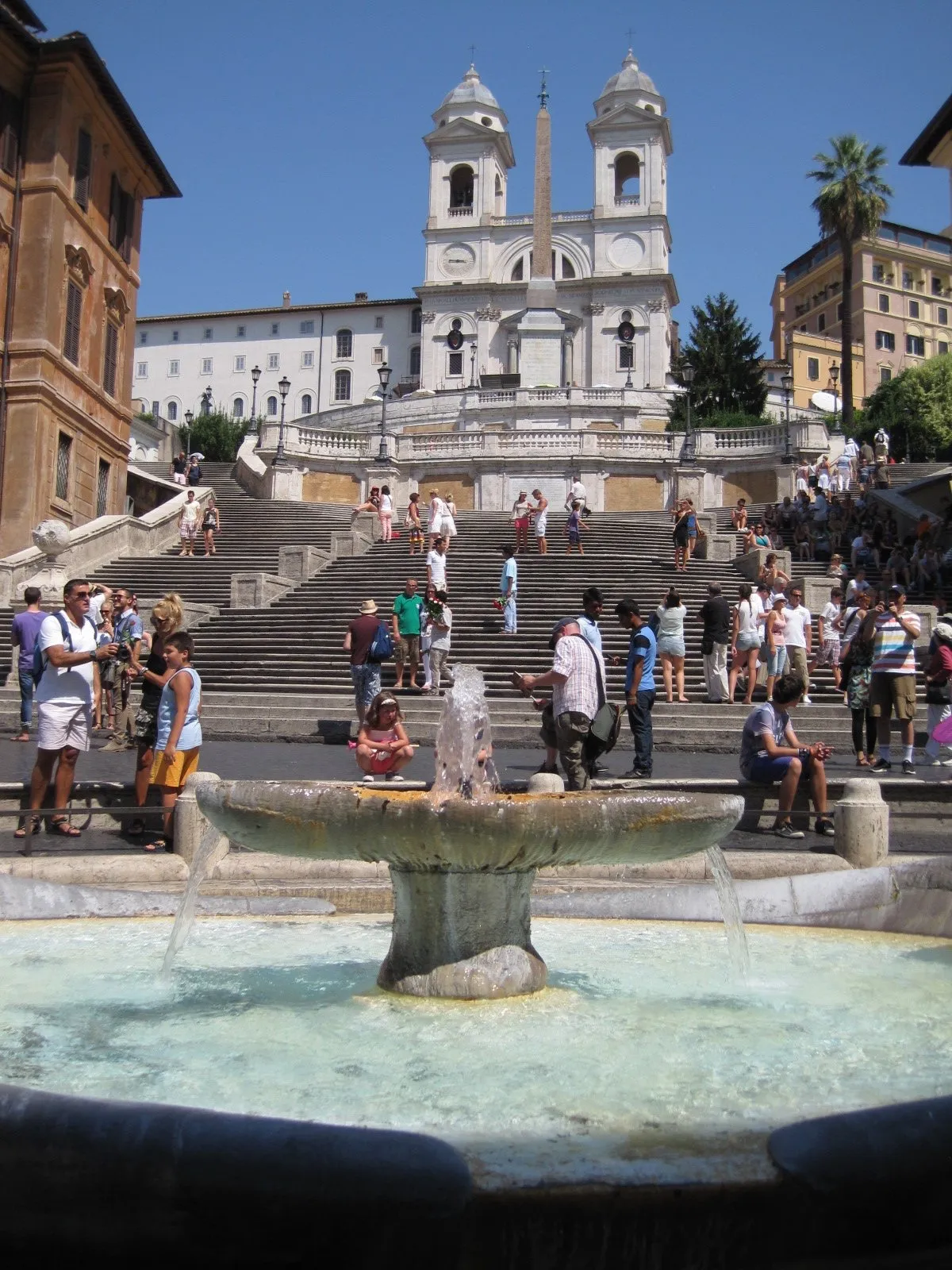
Famous stairway with luxury shopping along Via Condotti below.
Elegant square at the base of the steps. Barcaccia fountain, designer boutiques.
Centro Storico is not just a neighborhood - it's a living anthology of Western civilization. This compact area has been continuously inhabited for over 2,800 years, making it one of the oldest continuously occupied urban spaces in the world.
The medieval street layout you walk today follows the exact same paths that ancient Romans used. The Pantheon stands exactly where Marcus Agrippa built it in 27 BC (rebuilt by Hadrian in 126 AD). The obelisks in the piazzas were brought from Egypt by emperors. The churches contain art by Caravaggio, Bernini, and Raphael - not in museums, but in their original locations.
During the Renaissance, this area became the playground of popes and princes. The baroque transformation in the 17th century gave us the theatrical fountains, grand piazzas, and ornate churches we see today. Each layer of history sits atop the previous one - literally. Excavations under churches reveal Roman temples, under which lie earlier structures.
Today, about 20,000 people still live in Centro Storico, maintaining traditions passed down through generations. Yes, tourism dominates, but early mornings and late evenings reveal a different rhythm - shopkeepers opening shutters, elderly ladies grocery shopping, children walking to school past 2,000-year-old monuments.
Centro Storico is full of tourist traps. Here's how to find authentic Roman food even in the most touristic area.
Traditional Roman
Family-run since 1961, three generations serving perfect Roman classics. Their cacio e pepe is textbook perfection.
Must order: Cacio e pepe, carciofi alla giudia (in season)
💡 Tip: Reservations required weeks ahead. Lunch is slightly easier.
Deli & Restaurant
Half wine bar, half restaurant. Incredible carbonara, curated wine list, and the best salumi selection in Rome.
Must order: Carbonara, burrata, any pasta with truffle
💡 Tip: The deli counter has amazing porchetta for takeaway.
Roman Trattoria
Hidden gem near Piazza Navona. Simple, authentic, and full of locals. No-frills Roman cooking done right.
Must order: Amatriciana, saltimbocca alla romana
💡 Tip: Cash only. No sign outside - look for the yellow door.
Bakery
Legendary pizza al taglio. The pizza bianca and pizza rossa are pilgrimage-worthy.
Must order: Pizza bianca with mortadella, pizza con patate
💡 Tip: Go before noon for best selection. Always a line.
Historic Café
Rome's best espresso since 1938. They guard their recipe like a state secret.
Must order: Caffè speciale (espresso with secret sugar mixture)
💡 Tip: Stand at the bar like locals. Sitting costs triple.
Artisan Gelato
Small-batch gelato with creative flavors. All-natural ingredients, no artificial colors.
Must order: Sage-honey-walnut, ricotta-fig, dark chocolate
💡 Tip: Try before you buy. They encourage tastings.
Pantheon, Trevi Fountain, Piazza Navona, and Campo de' Fiori. Expert guide reveals the hidden stories.
Taste your way through hidden trattorias, wine bars, and gelaterias. Perfect introduction to Roman cuisine.
See the monuments illuminated. Trevi Fountain, Spanish Steps, Pantheon with fewer crowds and magical lighting.
Centro Storico is almost entirely pedestrianized. Most attractions are within a 15-minute walk of each other. Comfortable shoes are essential - cobblestones everywhere.
Pro tip: Get lost intentionally. The best discoveries happen when wandering.
No metro stations in the center itself, but close access from:
Multiple bus lines circle Centro Storico. Useful routes:
Don't even think about driving here. Use official white taxis or ride-sharing apps:
The Pantheon opens at 9 but you can admire the exterior alone. Campo de' Fiori market sets up. Coffee with locals.
Golden hour light on baroque buildings. Trevi Fountain illuminated. Piazzas come alive with aperitivo.
Watch rain fall through the Pantheon's oculus - ancient Romans designed it to drain perfectly. Magical.
Yes, Centro Storico is very safe at night. It's well-lit, always crowded, and heavily policed. The main concerns are pickpockets (daytime) and overpriced restaurants. Keep valuables secure and you'll be fine.
Minimum one full day to hit the highlights. Ideally 2-3 days to really explore, including museum visits, leisurely meals, and getting lost in side streets. Many visitors base their entire Rome trip here.
The Pantheon is free but can have lines (30-60 min in peak season). Trevi Fountain and Piazza Navona are outdoors and free. For Borghese Gallery, advance tickets are mandatory. Spanish Steps are always accessible.
Rome has hundreds of "nasoni" (drinking fountains) throughout Centro Storico. The water is perfectly safe, cold, and free. Look for small iron fountains with constantly running water.
Challenging but doable. Many streets are cobblestone, and historic buildings lack elevators. The Pantheon is accessible, as is Piazza Navona. Some restaurants and hotels have accessibility. Plan carefully and consider hiring accessible transport.
Absolutely. Rome's tap water comes from ancient aqueducts and is excellent quality. Drink from nasoni fountains, ask restaurants for "acqua dal rubinetto" (tap water - usually free), and refill bottles freely.
Comfortable walking shoes (you'll walk 15,000+ steps). Churches require covered shoulders and knees - bring a light scarf. Dress is generally casual during day, slightly more polished for dinner. Romans care about style.
Avoid any restaurant with photos on the menu, multilingual staff pulling people in, or "tourist menu" signs. Walk 2-3 blocks off main squares. If you see mostly Italians inside, that's a good sign. Cash-only places are often authentic.
Pros: Walk to everything, beautiful location, endless restaurants. Cons: Expensive hotels, noisy at night, very touristy. If budget allows, absolutely worth it for first-time visitors. Otherwise, Monti or Trastevere offer better value.
Start early at Pantheon (9 AM), walk to Piazza Navona, hit Campo de' Fiori market, see Trevi Fountain, lunch near Pantheon, Spanish Steps afternoon, return to Trevi at night. Book a guided walking tour to maximize time and learn the stories.
Our guides know every hidden courtyard, every authentic trattoria, every story behind these ancient stones.