History of the Colosseum
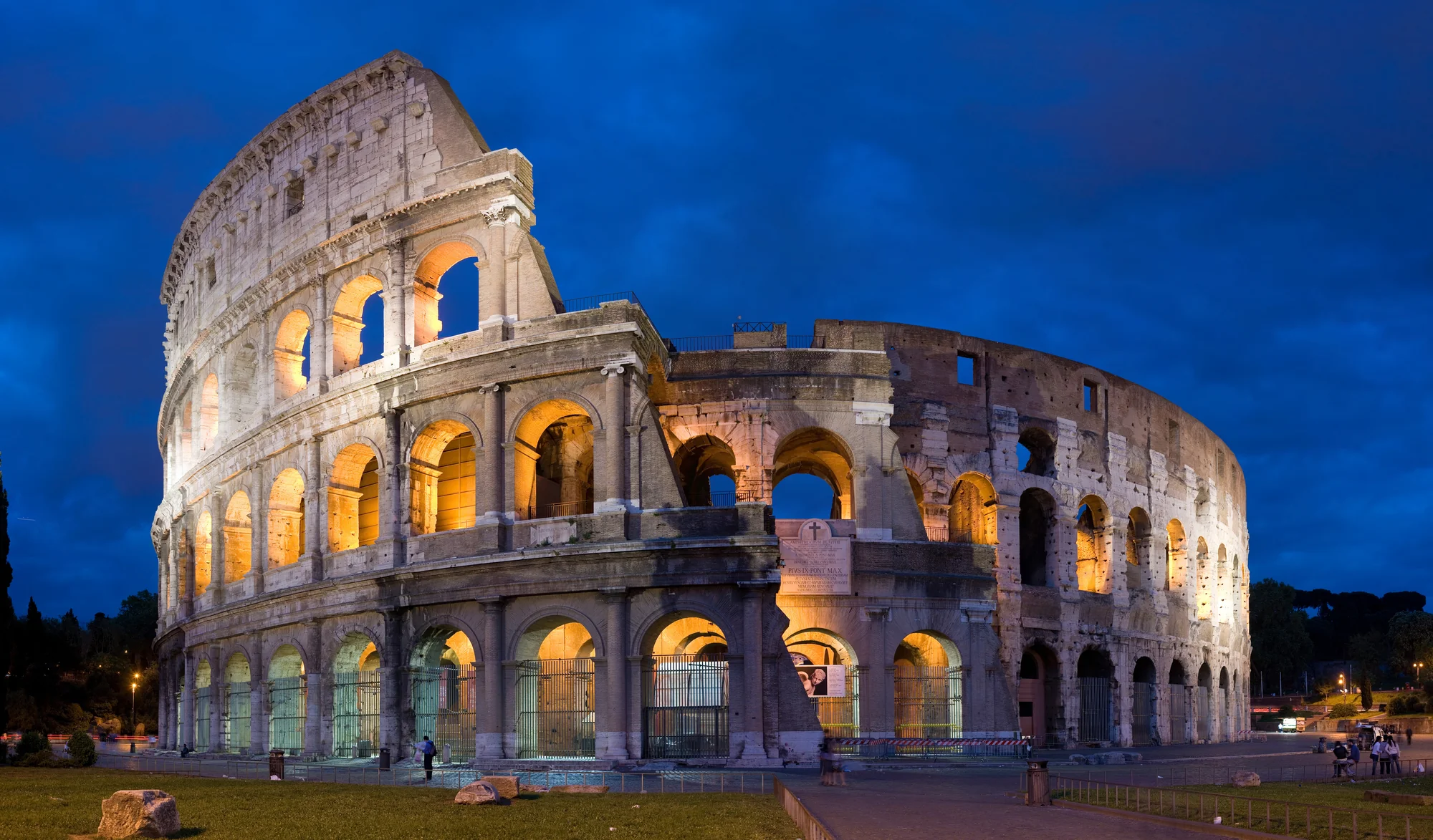
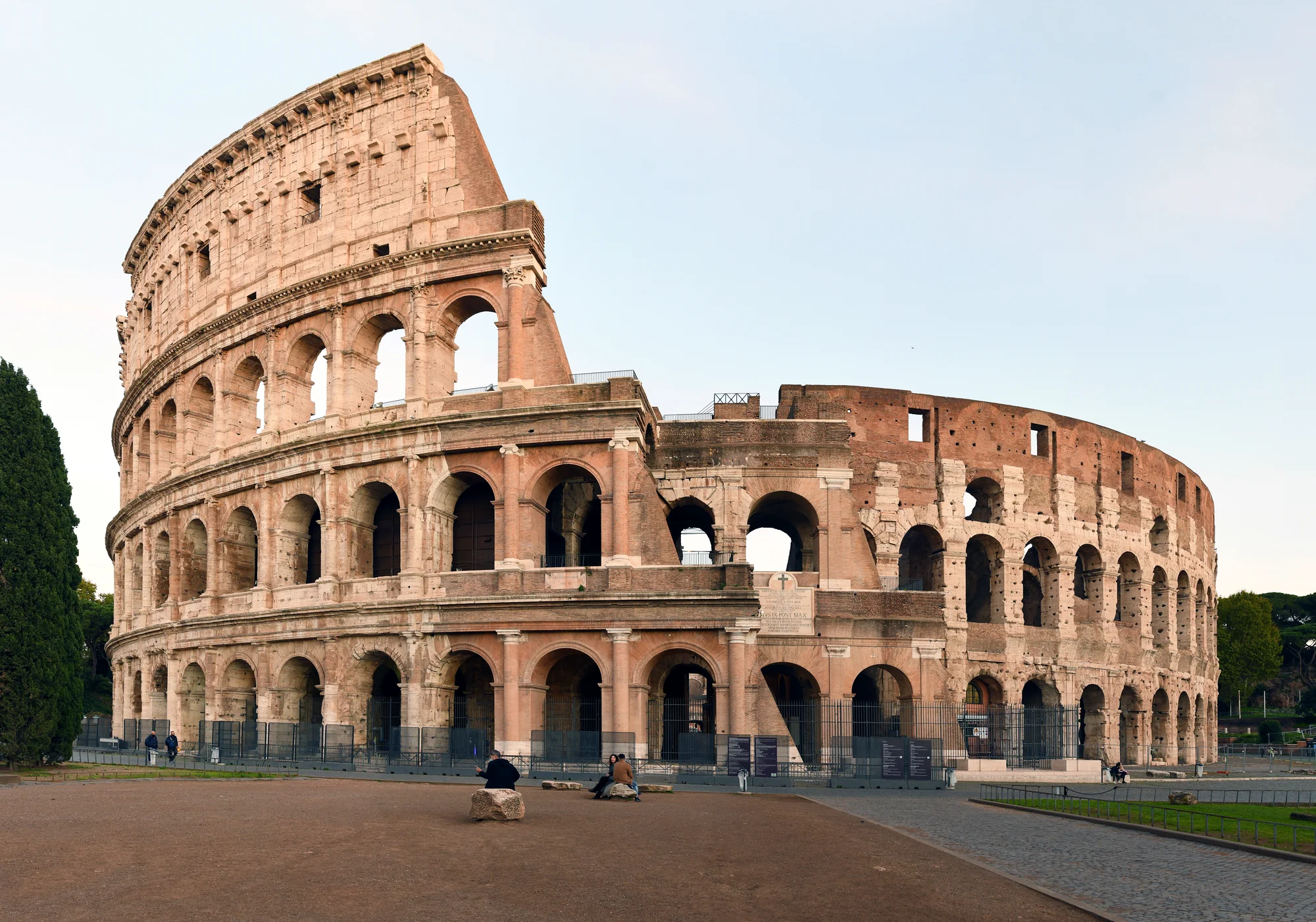
The Colosseum, also known as the Flavian Amphitheatre, stands as the most iconic symbol of Imperial Rome. Construction began under Emperor Vespasian in 72 AD and was completed by his son Titus in 80 AD. This magnificent structure could hold between 50,000 and 80,000 spectators and was used for gladiatorial contests, public spectacles, animal hunts, executions, and dramas based on Roman mythology.
The amphitheater's design was revolutionary for its time. Built primarily of travertine limestone, tuff, and brick-faced concrete, it featured a complex system of vaults and arches that influenced architecture for centuries. The hypogeum, an elaborate underground network of tunnels and chambers, housed gladiators and animals before contests.
What to See at the Colosseum
The Arena Floor
Stand where gladiators once fought! The arena floor offers a unique perspective of the amphitheater, allowing you to imagine the roar of 50,000 spectators. Special tours provide access to this restricted area, offering insights into the life of Roman gladiators.
Underground Chambers (Hypogeum)
Beneath the arena lies a fascinating network of tunnels where gladiators prepared for battle and wild animals were kept in cages before being lifted to the surface. This underground labyrinth was hidden from spectators, adding mystery to the spectacles above.
Upper Tiers
The third ring offers panoramic views of the entire structure and the Roman Forum beyond. Reaching this level provides a comprehensive understanding of the Colosseum's massive scale and architectural genius.
Best Time to Visit
Early Morning (8:30 AM): Beat the crowds with an early entrance. The light is perfect for photography and temperatures are cooler in summer.
Late Afternoon: Golden hour illuminates the ancient stones beautifully. Consider a tour that includes sunset views.
Night Tours: Available during summer months, night visits offer a magical atmosphere with the Colosseum illuminated against the Roman sky.
Nearby Attractions
The Colosseum is part of the Archaeological Park which includes the Roman Forum and Palatine Hill. A combined ticket grants access to all three sites within 24-48 hours, making it easy to explore ancient Rome's most important landmarks.