Ancient History of Aventine Hill
The Aventine was the last of Rome's seven hills to be incorporated into the city. In the early Republic, it stood outside the sacred pomerium (city boundary) and became home to plebeians, Rome's common citizens. This class divide shaped Roman history - the Aventine was where plebeians retreated during the "Secession of the Plebs" (494 BC), threatening to abandon Rome unless given political representation.
The conflict between patricians and plebeians eventually led to major reforms, including the creation of tribunes to protect plebeian interests. This democratic victory is commemorated in the neighborhood's working-class roots, though today's Aventine is decidedly aristocratic.
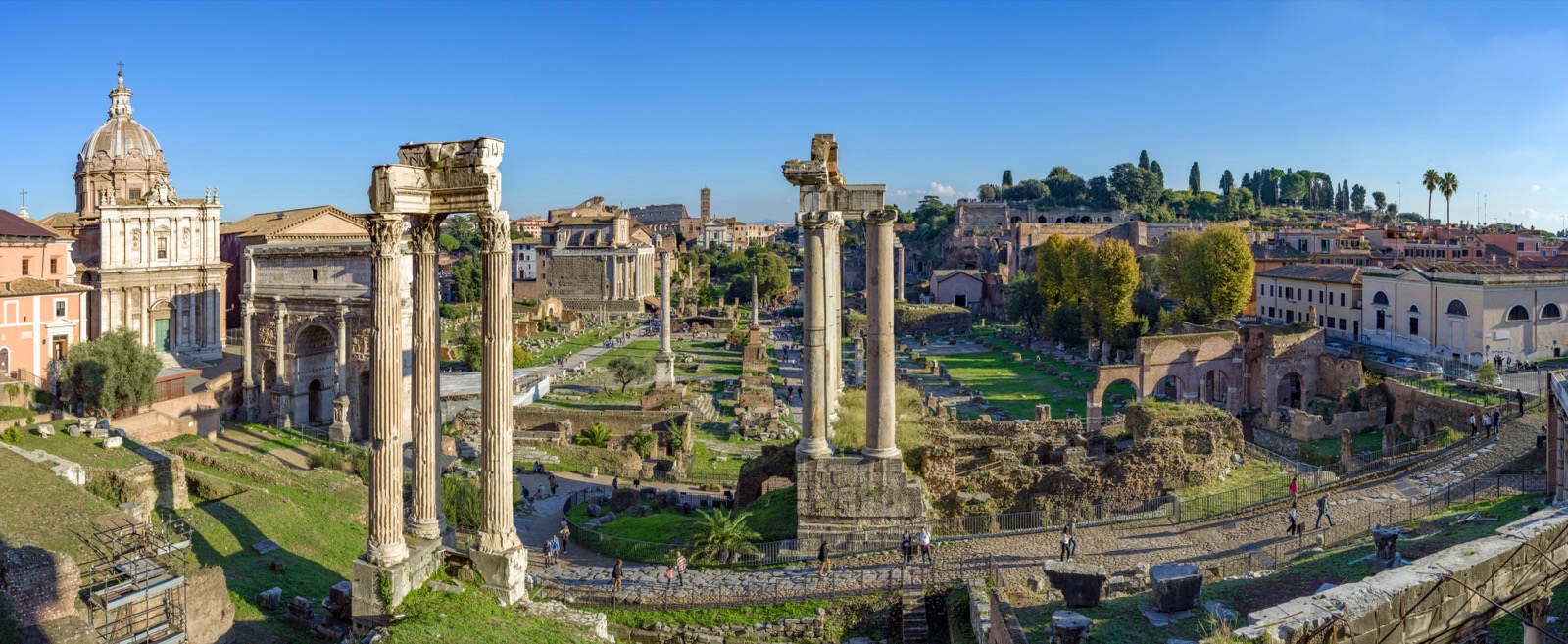
During the Empire, the Aventine became more prestigious. Wealthy Romans built villas here to escape the crowded Forum area while remaining close to the city center. Archaeological excavations have revealed luxurious Roman houses with elaborate floor mosaics and frescoes.
Medieval and Renaissance Transformation
After Rome's fall, the Aventine became sparsely populated. Churches and monasteries occupied strategic points, particularly Santa Sabina, which the Dominicans have maintained since the 13th century. The hill's isolation made it attractive to religious orders seeking contemplative settings.
In 1765, Giovanni Battista Piranesi, the famous engraver and architect, redesigned the Piazza dei Cavalieri di Malta for the Knights of Malta. His vision created the famous keyhole view, aligning the pathway, gate, and distant St. Peter's dome with mathematical precision. Piranesi's design demonstrates how Renaissance architects used perspective and alignment to create visual drama.
The Perfect Keyhole View
The keyhole's fame has grown exponentially in the Instagram age, but its appeal transcends social media. The view works because of Piranesi's genius: the hedged pathway narrows your field of vision, eliminating peripheral distractions. Your eye travels down the green tunnel directly to the dome, creating an illusion of proximity despite the considerable distance.
The symbolism is profound. You peer through the Sovereign Military Order of Malta's territory (recognized as a sovereign entity), across Italian soil, toward the Vatican, another sovereign state. Three states aligned in a single glance represents the complex relationship between church, state, and ancient orders in Italian history.
Practical tip: Lines form quickly during mid-morning through late afternoon. Visit at 7-8 AM for no wait and beautiful morning light, or during sunset for golden glow (but expect to queue). Each person typically spends 30-60 seconds at the keyhole, so lines move steadily.
Orange Garden Romance
The Giardino degli Aranci sits on the ruins of the Savelli fortress, a medieval stronghold that once dominated this strategic hilltop. When you stand at the viewing terrace, you're literally standing on centuries of history - Roman houses, medieval fortifications, and Renaissance gardens layered beneath your feet.
The bitter orange trees (Citrus aurantium) bloom in March and April, filling the garden with intense fragrance. While the fruits aren't edible raw, they're perfect for marmalade. The trees' dark green foliage provides year-round beauty, creating natural frames for photos of the city below.
Sunset viewing is a Roman tradition. As the sun drops toward the Janiculum Hill, the entire city glows golden. St. Peter's dome catches the last light, appearing to float above the darkening cityscape. Romans bring wine, snacks, and lovers, settling on benches for the daily spectacle. It's free, accessible, and quintessentially Roman.
Santa Sabina's Ancient Beauty
Built around 432 AD by Peter of Illyria, Santa Sabina represents early Christian architecture at its finest. The church maintains its original basilica plan: a central nave flanked by aisles, separated by columns, culminating in an apse. This design became the template for Western churches for centuries.
The wooden doors are extraordinary survivors. Dating to the church's foundation, they contain 28 carved panels depicting Old and New Testament scenes. One panel shows the Crucifixion, possibly the earliest known representation of this scene in Christian art. The rough, almost primitive carving contrasts with later medieval refinement, offering insights into early Christian visual culture.
Inside, Corinthian columns from the Temple of Juno Regina create a elegant colonnade. Early Christians regularly reused pagan temple materials, both for practical economy and symbolic triumph over paganism. The marble floor features Cosmatesque work - geometric patterns made from colored stone - typical of medieval Roman churches.
The church is still active, serving the Dominican order. You might encounter monks in white robes moving through the cloister, adding living history to the ancient stones. Entry is free, and the peaceful atmosphere invites contemplation away from Rome's tourist frenzy.
Lesser-Known Aventine Treasures
Sant'Alessio, just down Via di Sant'Alessio from Santa Sabina, contains beautiful medieval frescoes and a Romanesque bell tower. The church's legend involves St. Alexis, who abandoned wealth to live as a beggar, unknown, beneath his family's staircase. The church preserves these stairs as a relic.
Santa Prisca, on the hill's northeastern slope, sits atop a mithraeum - an underground temple to the Persian god Mithras. In the 2nd and 3rd centuries, Mithraism rivaled Christianity for followers. The underground chambers can sometimes be visited by appointment, revealing frescoes of Mithraic rituals beneath the Christian church above.
The Municipal Rose Garden (Roseto Comunale) on the hill's southern slope blooms spectacularly in May and June. Over 1,100 rose varieties create a fragrant tapestry of color. The garden occupies the site of Rome's ancient Jewish cemetery, commemorated by subtle memorial markers within the paths.
Getting There and Around
From Circo Massimo Metro station (Line B), walk up Via di Valle Murcia or Via del Circo Massimo. The climb takes 10-15 minutes and is moderately steep but manageable. Alternatively, buses 715 and 716 serve Piazza Albania at the hill's base.
The Aventine is walkable from Testaccio (15 minutes) or from the Roman Forum via the ancient Clivus Publicius steps (20 minutes). If combining with Trastevere, descend the western side of the hill and cross the Tiber at Ponte Sublicio.
Allow 1-2 hours for a complete Aventine visit: 15-30 minutes for the keyhole (including queue), 30-45 minutes for the Orange Garden, 20-30 minutes for Santa Sabina, plus time for wandering the elegant streets. Sunset visits take longer but offer the most magical experience.
Best Times to Visit
Early Morning (7-9 AM): Empty keyhole, peaceful Orange Garden, soft morning light perfect for photography. Most romantic for couples seeking privacy. Churches open around 8 AM.
Sunset (6-8 PM, seasonal): Most popular time with locals. The Orange Garden fills with Romans watching the sunset. Queue at the keyhole, but the golden light makes photos spectacular. Arrive by 5:30 PM to secure a good sunset viewing spot.
Spring (March-May): Orange blossoms perfume the air, roses bloom in the Rose Garden, and perfect weather makes walking delightful. Busier than winter but not overwhelming.
Winter (December-February): Fewest tourists, crisp clear air for views, short lines at the keyhole. Bundle up - the hill is exposed to wind. Christmas lights in the city visible from the Orange Garden create special ambiance.