Discover 2,000 years of Jewish history in the heart of Rome. Great Synagogue, kosher bakeries, unforgettable stories. Where culture meets cuisine.
Rome's Jewish community predates Christianity. Jews arrived in 161 BCE as ambassadors, then as prisoners after Titus destroyed the Second Temple in 70 CE. They've lived continuously in Rome for over 2,000 years - longer than any other Jewish community in the diaspora.
In 1555, Pope Paul IV forced all Jews into a small walled area along the Tiber - the Ghetto. For 315 years, until 1870, they were locked in at night, restricted in professions, and subject to humiliating laws. Yet the community not only survived - it created a unique culture.
Today the Ghetto is a vibrant neighborhood. Kosher restaurants thrive, families gather at the Synagogue, and the stubborn perseverance of Rome's Jews is a living testament to resilience.
💡 Did You Know?
The Ghetto was the smallest in Europe but housed 4,000-5,000 people. Families built up to 8-9 stories to create space - Rome's first "skyscrapers."
First Jewish community settles near Tiber. They became Roman citizens, merchants, and artisans.
Pope Paul IV forces Jews into walled quarter. Gates locked at night for 315 years.
Over 1,000 Roman Jews deported to Auschwitz. Only 16 returned. The community remembers.
15,000 Jews live in Rome. The Ghetto is a symbol of survival, memory, and vibrant culture.

Rome's largest synagogue, built in 1904. Square dome visible across the city. Visit the Jewish Museum inside (optional).

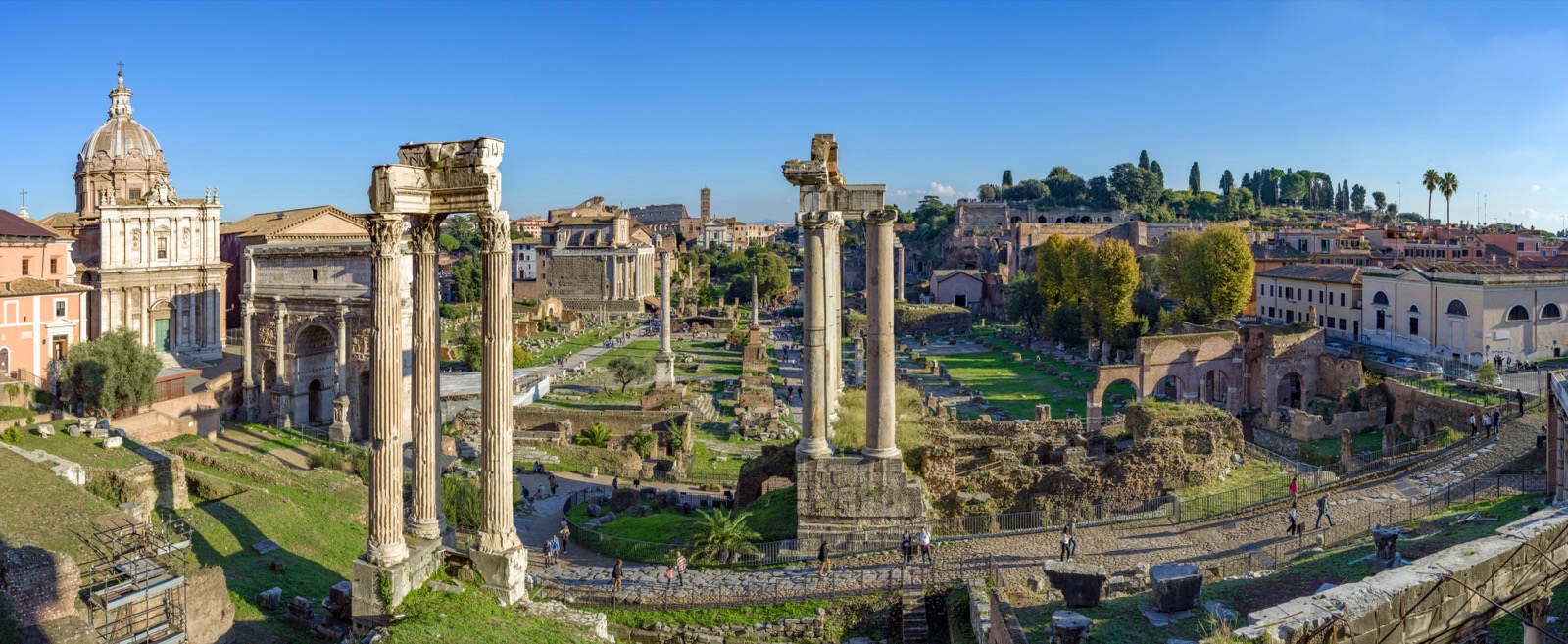
Ancient Roman ruins where the Ghetto began. Medieval houses built directly into 2,000-year-old columns.

Taste traditional sweets at kosher bakeries. Learn about unique dishes like carciofi alla giudia (Jewish-style artichokes).
Meet at the square where Julius Caesar was assassinated. Your guide explains how this was the edge of the ancient Jewish quarter.
Walk through 2,000-year-old Roman ruins. See where the Ghetto gates once stood. Hear stories of daily life in the walled quarter.
Admire the distinctive square dome and Art Nouveau architecture. Learn why it was built to be visible - a statement of freedom after 1870.
Pay respects at the stolpersteine (stumbling stones) - brass plaques honoring Jews deported in 1943. Powerful moment of remembrance.
Step into Boccione, the neighborhood's most famous bakery (since 1900). Taste traditional Jewish-Roman pastries - biscotti, pizza ebraica (not pizza!).
Stroll the main street lined with kosher restaurants. Your guide explains Jewish dietary laws and unique Roman-Jewish dishes.
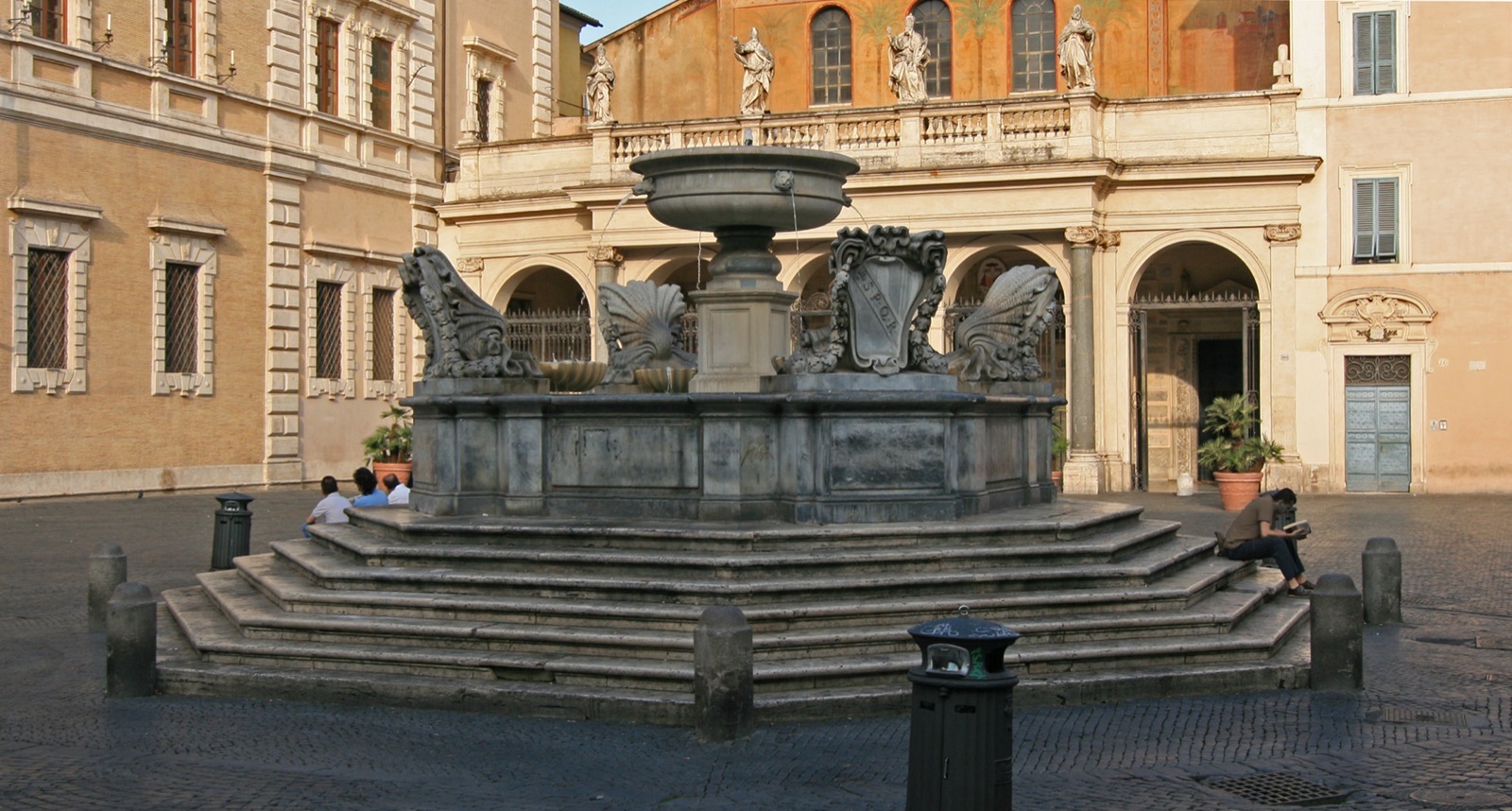
Beautiful Renaissance fountain in Piazza Mattei. Hear the legend and stories of famous Ghetto residents - poets, scholars, merchants.
Walk to the river for views of Tiber Island. Discussion about the community today and recommendations for lunch in the neighborhood.
Tour concludes in the Ghetto. Your guide provides restaurant recommendations for kosher or kosher-style lunch.
Jewish-Roman cuisine is unlike any other Jewish food tradition. Confined to the Ghetto for centuries, the community created dishes with limited ingredients, often using "poor" cuts of meat and vegetables others discarded.
The result? Dishes that became Roman classics - carciofi alla giudia (fried artichokes), concia (marinated zucchini), filetti di baccalà (fried cod). Today, non-Jews queue at Ghetto restaurants for these specialties.
Whole artichokes fried until crispy like a flower. Created by Ghetto Jews, now Rome's most iconic dish. Every trattoria serves it!
Fried salt cod fillets. Perfectly crispy outside, tender inside. A Friday tradition that became a Roman street food staple.
Sweets using honey, almonds, and dried fruits - no dairy after meat (kosher rules). Simple ingredients, incredible flavors.
A: Absolutely not! This tour is for anyone interested in history, culture, and food. Most participants are not Jewish - they're curious travelers who want to learn about a fascinating part of Rome's story.
A: Modest clothing recommended if entering the Synagogue (covered shoulders/knees). But we view it from outside on most tours. Regular casual clothing is fine for the walking tour.
A: Yes! We visit kosher bakeries. All food tastings are kosher. If you keep kosher, this is one of the few tours in Rome where you can eat with confidence!
A: Highly recommended! Your guide provides restaurant suggestions - both strictly kosher and "kosher-style" (Jewish recipes, not certified). Reservations recommended for weekends.
A: Yes and no. Many Jews now live elsewhere in Rome, but the Ghetto remains the spiritual/cultural center. Synagogue services, kosher restaurants, and Jewish shops keep it vibrantly Jewish.
A: Yes, sensitively. We visit the deportation memorial and discuss October 16, 1943 when Nazis arrested 1,259 Roman Jews. But the tour focuses on resilience and survival, not just tragedy.
A: Museum entry available for +€10 (includes Synagogue interior and Jewish Museum). Subject to security and religious schedule. Your guide can arrange if desired.
A: It's the only Jewish cuisine developed under constant proximity to Catholic culture. Dishes use ingredients available in Ghetto markets, with creative adaptations of Roman recipes to fit kosher laws.
"As Israelis, we thought we knew Jewish history. But Roman Jewish culture is completely unique! Our guide explained traditions we'd never heard of. The bakery pastries were incredible - nothing like this in Israel!"
"Not Jewish but fascinated by the stories. The resilience of this community - surviving 2,000 years of restrictions, persecution, yet creating such beauty and culture - brought me to tears. Highly recommend."
"My grandparents were Holocaust survivors. Visiting the deportation memorial and hearing how Romans helped hide Jews was deeply moving. Then we ate amazing fried artichokes. History and hope in one tour."
Largo di Torre Argentina (the cat sanctuary square). Look for guide with yellow umbrella near the temple ruins.
Bus: 40, 46, 62, 64, 70, 81, 87
Walk through 2,000 years of history. Taste unique cuisine. Experience a community that refused to disappear.