The Birth of Public Museums
When Pope Sixtus IV transferred a group of bronze statues from the Lateran Palace to Capitoline Hill in 1471, he created a revolutionary concept: a collection of art accessible to the public. While private collections existed, this marked the first time artworks were explicitly designated for public viewing and enjoyment.
The donation included the Capitoline Wolf, the Spinario (Boy with Thorn), and the Camillus. These bronzes had survived medieval bronze melting because they were considered civic symbols rather than pagan idols. By placing them on the Capitoline, the symbolic heart of Roman government since ancient times, Sixtus IV linked Renaissance Rome to its imperial past.
Michelangelo's Piazza del Campidoglio
In 1536, Pope Paul III commissioned Michelangelo to redesign Capitoline Hill for Emperor Charles V's visit. Michelangelo created one of the world's most beautiful urban spaces: Piazza del Campidoglio. The trapezoidal square, accessed by the Cordonata steps, features three palaces in perfect harmony.
The museums occupy two of these palaces: Palazzo dei Conservatori and Palazzo Nuovo. Michelangelo designed the facades with colossal pilasters and a geometric pavement pattern that draws the eye to the Marcus Aurelius statue at the center. The architectural ensemble represents Renaissance ideals of order, proportion, and classical revival.
Palazzo dei Conservatori
This palace served as the seat of Rome's elected magistrates (conservatori) from the Middle Ages. The ground floor courtyard contains colossal fragments from a statue of Emperor Constantine: a massive head, hand, and foot that convey the superhuman scale of imperial Rome.
The Capitoline Wolf resides in the Sala della Lupa, the museum's most visited room. Recent studies suggest the wolf dates to the 5th century BC, while the twins nursing beneath were added during the Renaissance. Regardless of the dating debate, the sculpture's power as Rome's symbol remains undiminished.
Upper floors contain the original Marcus Aurelius equestrian statue, protected from weather damage. The Pinacoteca Capitolina (Picture Gallery) occupies several rooms with works by Caravaggio, Titian, Rubens, and Guido Reni displayed in magnificently frescoed settings.
Palazzo Nuovo
Across the piazza, Palazzo Nuovo houses primarily ancient sculpture. The Hall of Emperors displays busts of Roman emperors and empresses, offering insights into how power and personality were portrayed over centuries. These marble faces bring ancient history vividly to life.
The Dying Gaul occupies a room of its own, commanding attention with its emotional intensity. This wounded Celtic warrior, depicted at the moment of death, represents the humanistic approach of Hellenistic sculpture. Artists from the Renaissance through the 19th century considered it one of antiquity's greatest achievements.
The Capitoline Venus, discovered in the 17th century, became an instant sensation. Her modest pose, attempting to cover herself after bathing, exemplifies the classical ideal of beauty. The statue influenced countless later works and remains a highlight of the collection.
The Tabularium Gallery
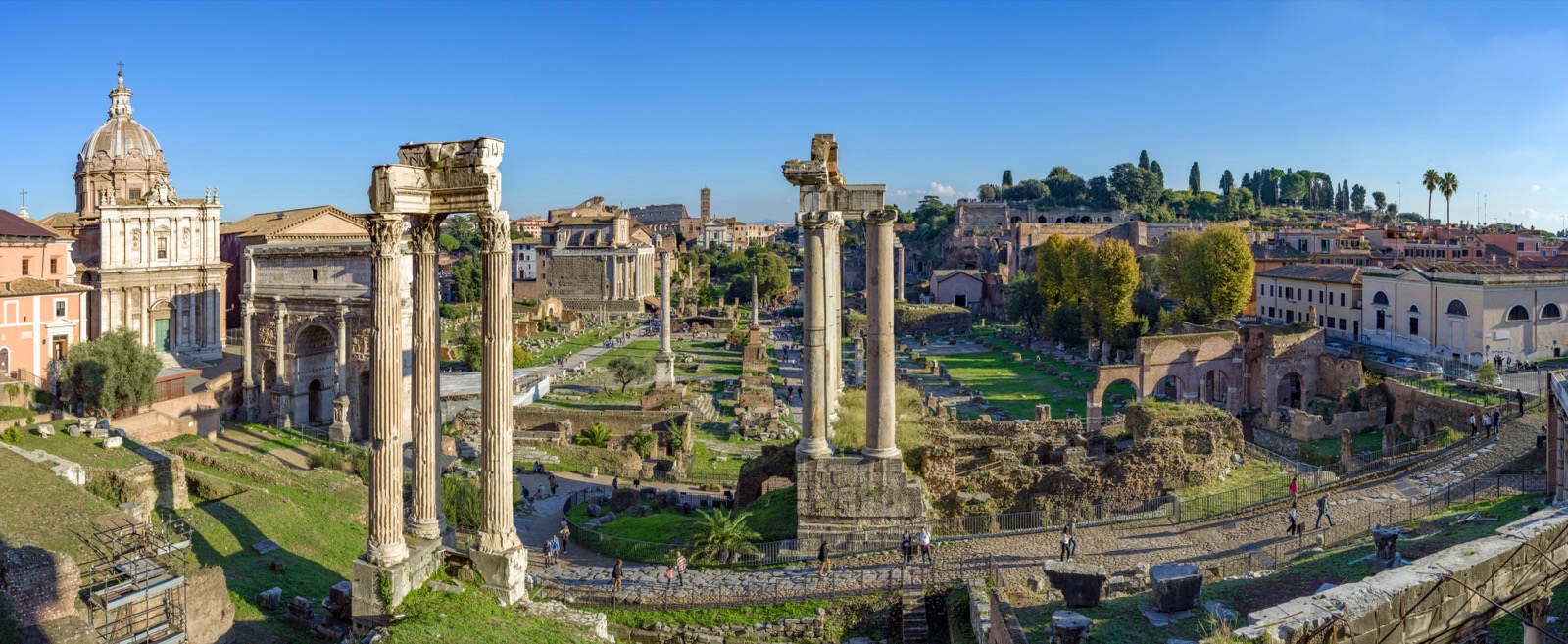
An underground passage connects the two palaces through the ancient Tabularium, Rome's state archive built in 78 BC. This gallery offers a unique experience: walking through genuine Roman architecture while viewing sculptures, with spectacular views over the Roman Forum through ancient arches.
The Tabularium's massive stone vaults demonstrate Roman engineering prowess. The arched windows frame views of the Forum temples and triumphal arches below, creating a powerful connection between the museum's ancient artworks and the ruins they once inhabited. Photographers prize these perspectives.
The Picture Gallery
The Pinacoteca Capitolina, founded in 1748, contains paintings from the medieval period through the 18th century. Caravaggio's masterpieces include "The Fortune Teller" and "St. John the Baptist," showcasing his revolutionary use of light and shadow.
Titian's "Baptism of Christ," Rubens' "Romulus and Remus," and numerous works by Guercino, Guido Reni, and Pietro da Cortona fill the galleries. The paintings are displayed in rooms decorated with Baroque frescoes, creating a immersive period atmosphere.
Archaeological Collections
Beyond the famous sculptures, the museums contain extensive archaeological material from excavations around Rome. Etruscan artifacts, Roman pottery, ancient coins, and inscriptions provide context for understanding daily life in ancient Rome.
The Medagliere, one of the world's most important numismatic collections, traces the evolution of coinage from ancient Greece through modern Italy. These coins aren't just currency - they're political propaganda, artistic statements, and historical documents bearing the faces of emperors and symbols of power.
Visiting Strategies
Start at Palazzo dei Conservatori to see the Capitoline Wolf and courtyard fragments. Progress to the Picture Gallery, then cross through the Tabularium to Palazzo Nuovo. This route provides chronological flow from Renaissance to ancient Rome and saves the Forum views for midway through your visit.
Photography Allowed: Unlike the Vatican Museums, photography is permitted (without flash) throughout the Capitoline Museums. Take advantage of this to capture the masterpieces and spectacular architecture.
Café Capitolino: The rooftop café offers refreshments with stunning views over the city. It's an ideal spot for a break midway through your visit, especially during summer heat.
Combined Tickets: Consider the Roma Pass or combined museum tickets if visiting multiple sites. The Capitoline Museums participate in various discount programs that can provide significant savings.
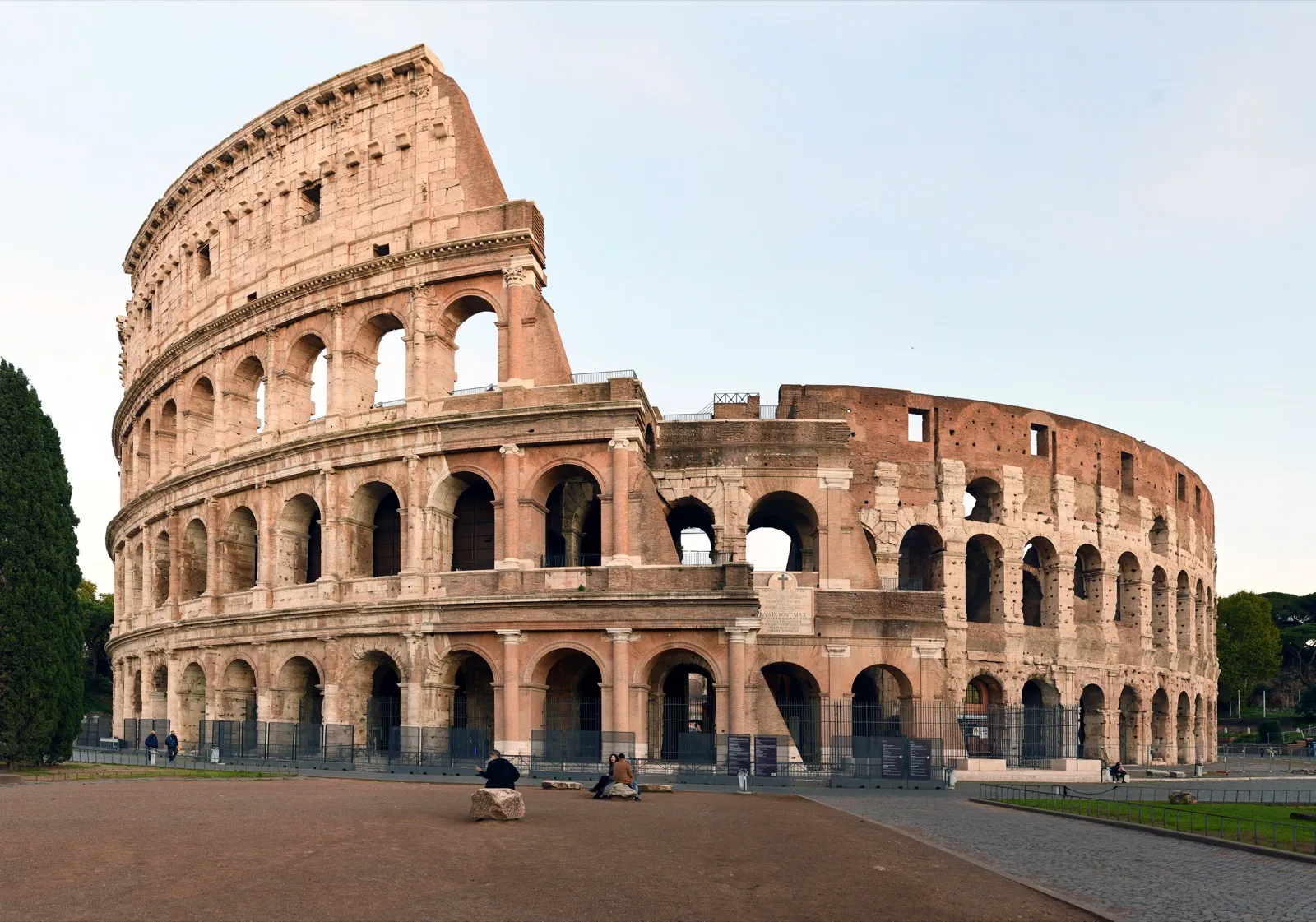
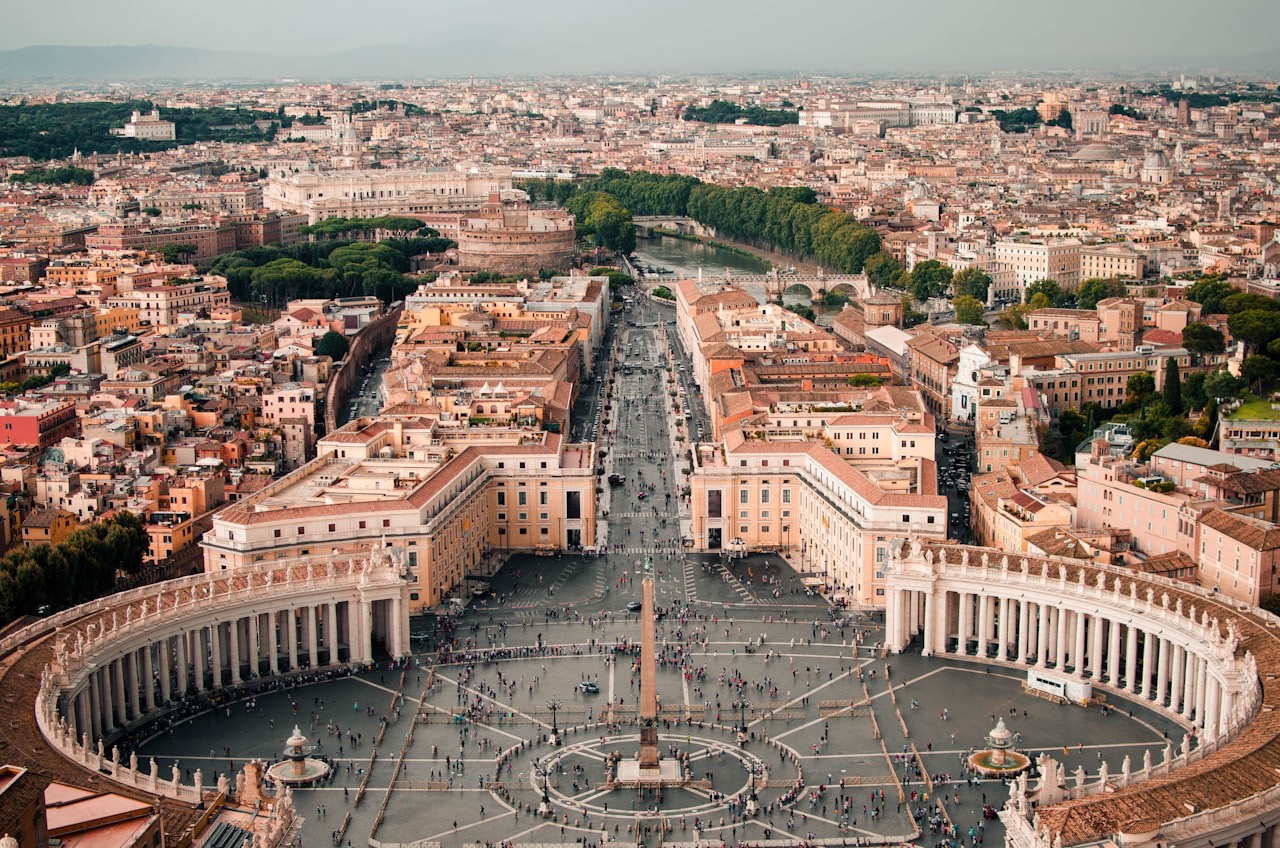
Less Crowded Alternative: While the Vatican Museums and Colosseum can be overwhelming with crowds, the Capitoline Museums offer a more relaxed experience with equally important artworks. It's an excellent choice for travelers seeking world-class art without massive tourist crowds.